Shabazz Tribe Learning
  • Home
  • Lessons
    • Junior Scientists
    • Senior Scientists
    • Head Scientists
  • Media Resources
  • NOIWC
  • Home
  • Lessons
    • Junior Scientists
    • Senior Scientists
    • Head Scientists
  • Media Resources
  • NOIWC
Search by typing & pressing enter

YOUR CART

In the name of Allah, Who Came in the Person of Master Fard Muhammad to Whom all Holy Praise is due forever…

Federal Republic of Nigeria
Picture
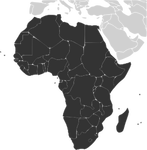
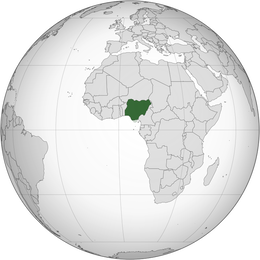
Location of Nigeria, Africa
Picture
Flag of The Federal Republic of Nigeria
President (2021): Muhammadu Buhari
Population: 219 million
Muslim Population: 54%
Currency: Naira
Capital City: Abuja
Languages: Hausa, Yoruba, Igbo, English
Year of Independence: 1960
Picture
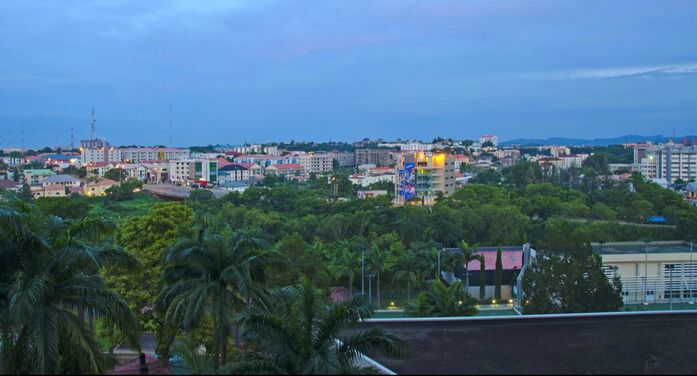
Abuja, Nigeria
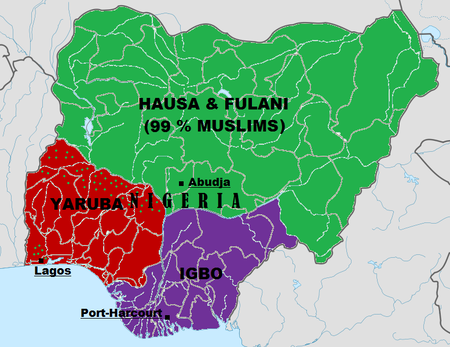
Demographics (The People Groups in the Federal Republic of Nigeria)

Picture
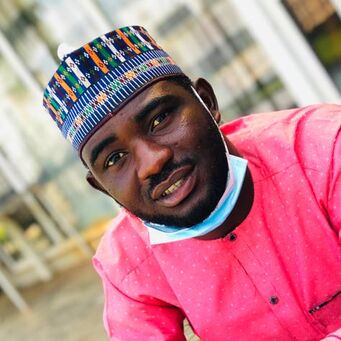
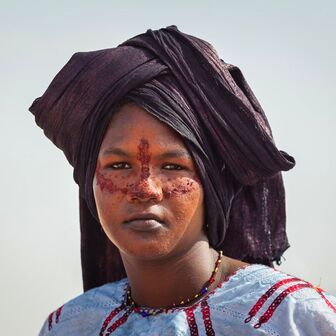
Hausa 30%
Picture
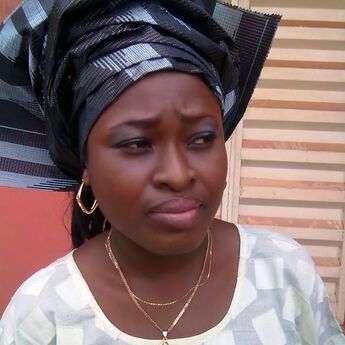
Yoruba 15%
Picture
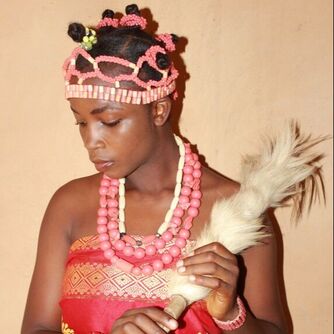
Igbo 15%
Picture
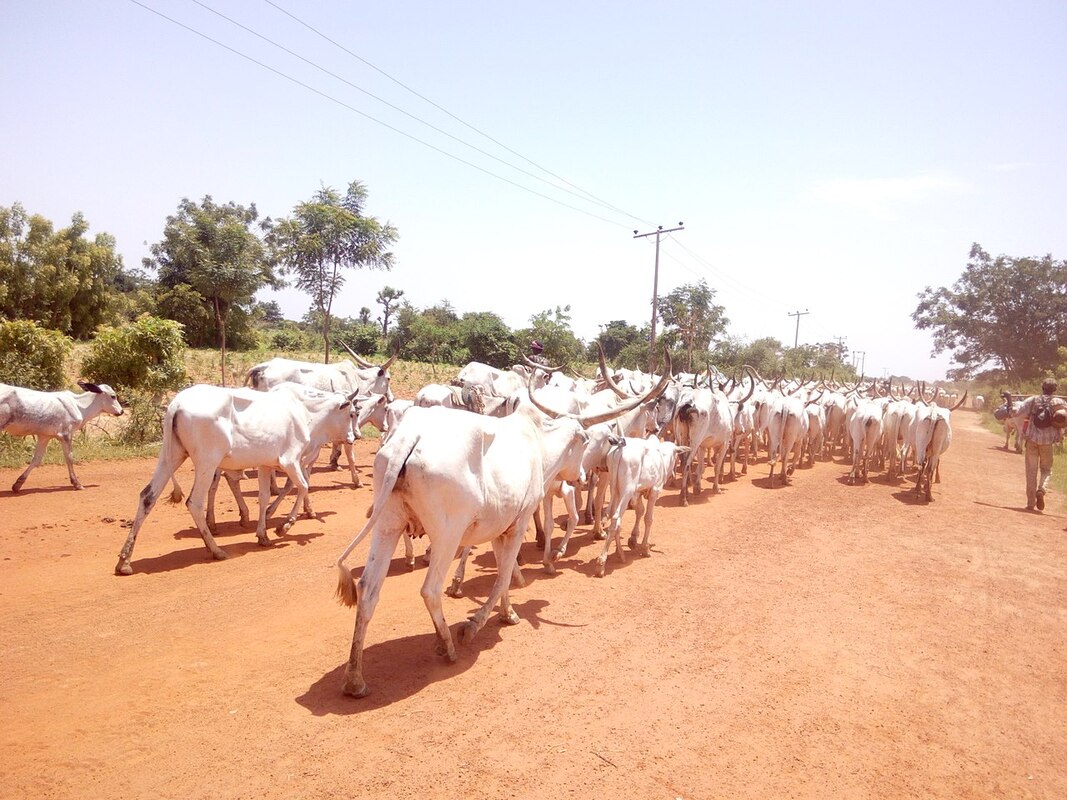
Fulani 6%

Increase Your Vocabulary:

Ancestor: a deceased (dead) family member.

Animists: people who believe everything in nature possesses a spirit, and spirits can exist without a body. They believe in mysteries and superstitions instead of the reality of Allah.

Decompose: to decay or rot.

Deity: a person or thing that is worshiped as a god.

Desecrate: to disrespect, to violate sacredness.

Disease: a condition or illness that harms one's health.

Divination: fortune telling; tricknology.

Infectious: an illness that can be spread to others.

Infrastructure: the basic facilities that allow a system to function.

Parasite: a plant, animal, or fungus that feeds on another living thing. Some parasites cause disease.

Populous: heavily populated, having many people.
Pure: unmixed. Clean. Made from one substance. Free from foreign components.

Recycling: a process that allows materials to be reused.

Reincarnation: the belief that after death, spirits can be born into new bodies.

Restriction: something that gives limits and boundaries.

Sanitation: practices of clean living that promote good health and prevent disease.

Snowball effect: a situation that causes something to increase  more rapidly as it progresses.

Superstition: a belief that is not based on facts.

Terracotta: a reddish-brown clay used in pottery.

Textile: fabric made by weaving, knitting, or felting.

Waste management: the act of controlling and directing the process of collecting, eliminating, storing, and converting trash or refuse.

Noble Nigeria

Picture
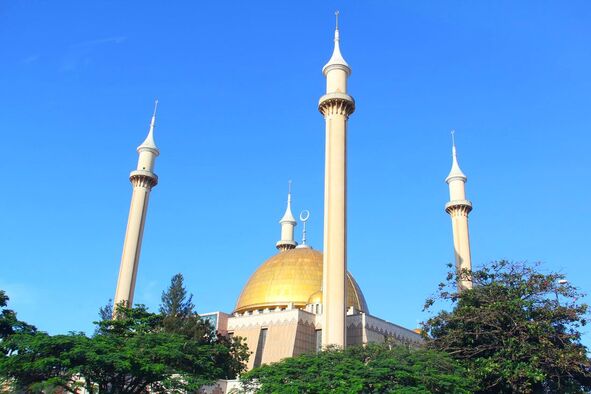
Nigerian National Mosque in Abuja

History: Nok, Hausa States, Kanem-Borno, & The Southern Region

When studying history, we must remember that borders change over time. Several mighty empires have included the land now called the Federal Republic of Nigeria and parts of other nearby countries. Nigeria has many different tribes, each having a long, unique past. Let's take a brief look at the history of some of Nigeria's civilizations.

Nok

Picture
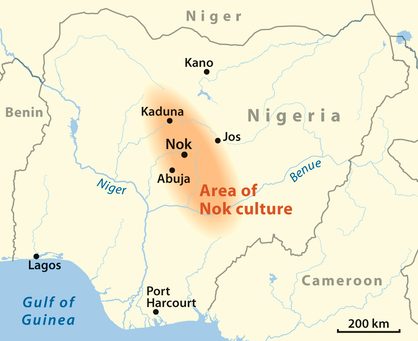
(Approximate size and location)
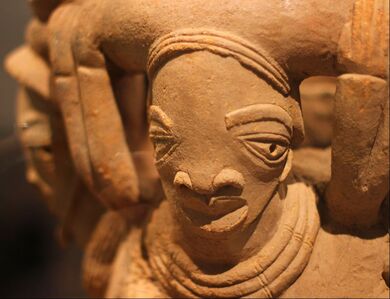
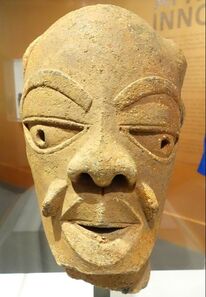
The ancient Nok civilization developed in the area that has become northern and central Nigeria. The beginning of the Nok people is uncertain. Many different dates are assumed, some as early as 1,500 BC. This civilization seems to have ended between 200-500 CE. Nok was one of the earliest civilizations in West Africa to master the advanced science of iron smelting. They also created detailed life-sized terracotta sculptures. Unfortunately, many of these sculptures have been looted and taken to western countries. Wealthy Europeans frequently steal art made by Original people to display in museums or homes. Very few details are truly known about the Nok, but historians have made numerous guesses about this ancient culture.
Picture
Terracotta figure from the Nok civilization
Picture
Nok sculpture

Hausa States

Picture
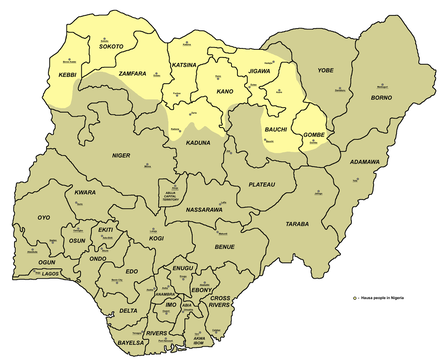
Area where Hausa are the majority
The Hausa people live in a large area between the Niger River and Lake Chad in the present-day countries of northern Nigeria and southern Niger. Its central location along trade routes made this region prosperous and powerful. Several independent Hausa kingdoms, known as states, made up Hausaland. According to historians, the emergence of the Hausa states may have begun between the 700s - 1000s CE.
 
The oral history of the Hausa people declares them to be the descendants of Darama, the Queen of Daura, and Bayajida (also called Abu Yazid). The legend states he was a prince from Baghdad, Iraq. Together, Queen Darama and Bayajida had a son named Bawo. He went on to have sons of his own; each became the ruler of one of the "true" Hausa states.
 
The Hausa, like other tribes in Nigeria, had a history of practicing animism. Nevertheless, their location on trade routes between Ghana/Mali/Songhai and Kanem-Borno helped Islam emerge in Hausaland. In the 1300s, Sultan Yaji (Ali Yaji dan Tsamiya) instituted Islam in the Hausa state, Kano. The animists in Kano were hostile. They often desecrated the mosque. Sultan Yaji defeated them and established a Sultanate.
 
In the 1500s, Queen Aminatu (Amina), a skilled military strategist, expanded the influence of Zazzau. Under her rulership, Zazzau became one of the most prominent Hausa states. She ordered the building of walls around her cities, many of which still exist today.
 
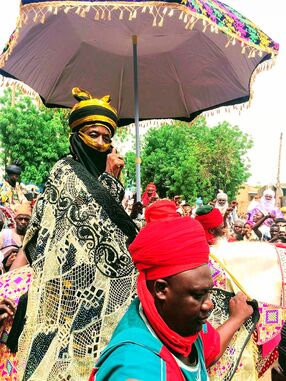
In later years, many of the Hausa kings did not fully embrace Islam. They grew corrupt and oppressive. In the early 1800s, The Fulani reformist, Sheik Uthman dan Fodio, was persecuted by the Hausa King of Gobir. The king charged the people high taxes, took their women, stole their property, and suppressed the practice of Islam. Uthman dan Fodio fled Gobir to try to avoid war. However, the king's aggression soon drove him to declare a jihad. The sheik wanted to liberate the Fulani and Hausa people to live freely as Muslims. His victory unified the Hausa states and nearby areas into the Sokoto Caliphate. The Fulani tribe took control and organized the Hausa states into emirates governed by Islamic law.
Picture
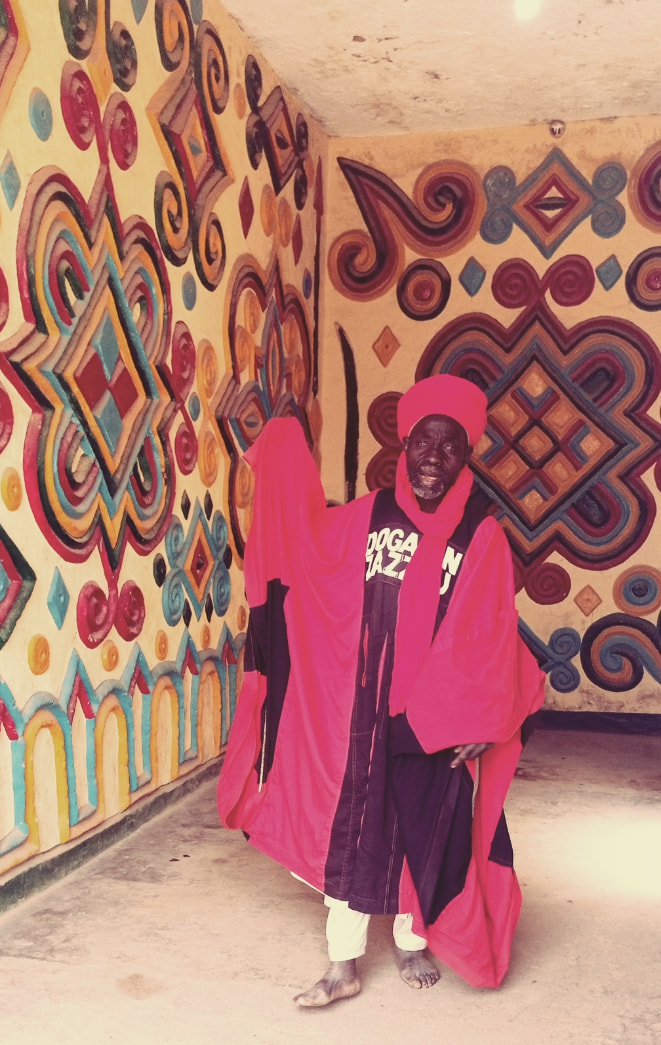
Palace of the Emir of Zazzau
Picture
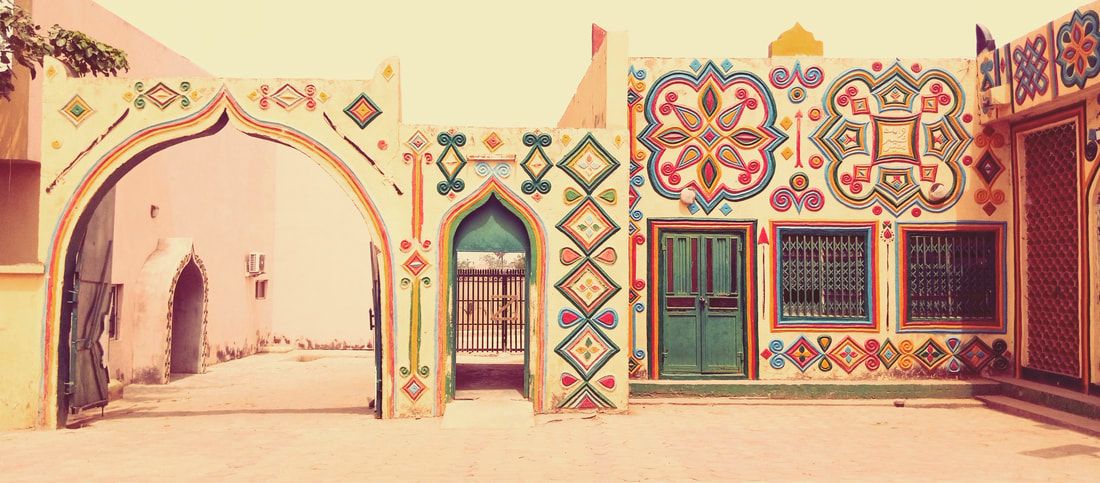
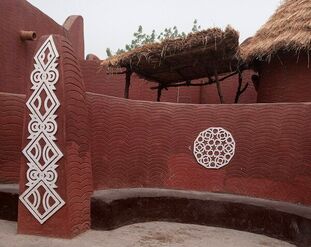
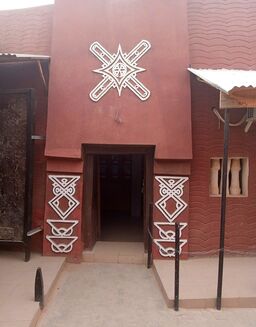
Hausa architecture

Kanem-Borno Empire

Picture
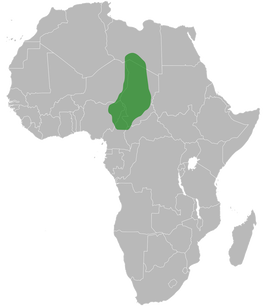
(Approximate size and location)
There is disagreement about the origins of Kanem-Borno, but many historians believe the empire formed around 700 -  800 CE in the area around Lake Chad. Unlike the nearby Hausa States, Kanem-Borno's population was ethnically diverse. Its central location along trade routes allowed the empire to flourish. The first capital was Njimi (located in present-day Chad).
 
In the beginning, the people of Kanem practiced animism. As trade increased, Islam emerged among the rulers and people living in urban cities. In the late 1000s, Mai (king) Humai of the Saifawa Dynasty declared Islam as the official religion of Kanem. In the 1200s, Mai (king) Dunama II expanded Kanem and strengthened ties with the Muslims of North Africa. Many people in Kanem accepted Islam, but they often mixed animist traditions into their worship. Mai Dunama II was a devout Muslim. He wanted everyone to give up their false traditional beliefs. Intense civil wars began after Dunama II defiled the Mune, a religious artifact revered by animists in Kanem. In the 1300s, these wars caused the Saifawa to lose control of Njimi. They were forced to flee to Borno.

Independent Research/Critical Thinking:
Did Mai Dunama II
made a good decision? Why or why not?

In the 1400s, Mai Ali Gazi founded a new capital, Ngazargamu (in present-day Nigeria). Later, the city of Njimi was recaptured by the Saifawa Dynasty. Borno peaked in the 1500s under Mai Idris Alooma's rule. Mai Idris Alooma was one of the greatest kings in history. He was a talented military strategist who introduced many improvements and reforms based on Islamic law. He used his relationship with the Islamic world, including the Ottoman Empire, to gain resources that helped him secure Borno. Mai Alooma has been quoted as saying he wanted Borno to be so safe that, "a lone woman dressed in gold might walk with none to fear but God.”
 
In the early 1800s, Sheik Uthman dan Fodio's jihad in the Hausa states inspired the Fulani in Borno to revolt. Borno was much different than Hausaland. For centuries, Borno had been ruled by practicing Muslims and was an honored center of Islamic scholarship. Still, the Sokoto Caliphate temporarily conquered Ngazargamu. Muhammad al-Kanemi, a popular Islamic scholar, opposed the attacks and ultimately defeated the Sokoto Caliphate in Borno. The Saifawa Dynasty ended with the death of the last mai (king) in 1846. It was one of the longest-lasting dynasties in history.

Critical Thinking:
What does "There is no compulsion in Islam" mean?

Picture
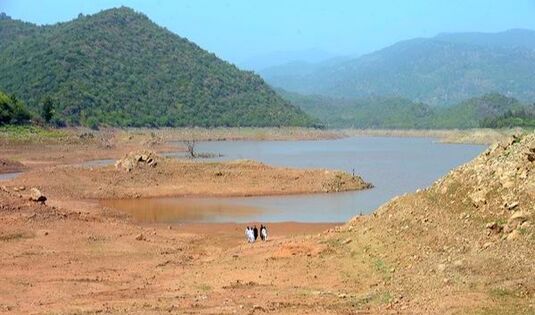
The shores of Lake Chad
Picture
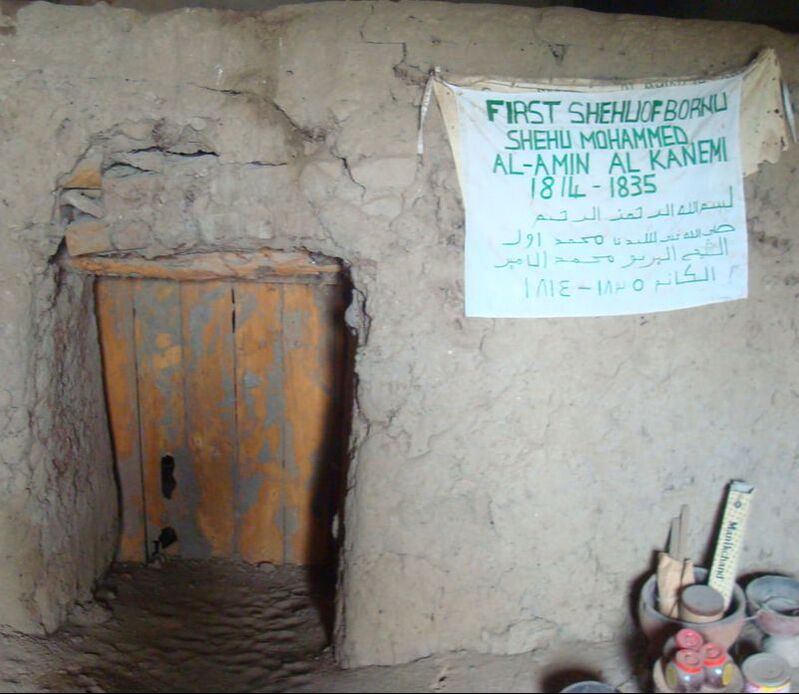
Tomb of Muhammad al-Kanemi

Southern Kingdoms

Picture
(Approximate size and location)
"For thousands of years, the people who did not have the Knowledge of the person, or reality, of God worshiped their own ideas of God. He has been made like many things other than what He really is."

-The Honorable Elijah Muhammad Message To The Blackman In America (pg. 1) - Who is that Mystery God? Part I

Yorubaland & Benin

Picture
The Yoruba (pronounced Yor-roo-BAH) tribe lived predominantly in the areas of present-day western Nigeria, the Republic of Benin, and the Togolese Republic. Yoruba people are complex and charismatic. They are known for being skilled artisans, eloquent writers, and talented musicians.
 
The Yoruba people built several well-organized cities and empires. The city Ile Ife (EE-lay EE-fay) is the spiritual center of the Yoruba. The Oyo Empire was the largest and most powerful Yoruba state.
 
The Benin Kingdom was located in southern Nigeria, not in the Republic of Benin. The Kingdom of Benin was an advanced, organized civilization. Its people, known as the Edo, are known for their mastery of intricate carving and bronze casting.
 
The traditional religions of the Yoruba and Edo people are based in animism.  Although the Yoruba religion (called Ifa) spread to the western hemisphere through the Trans-Atlantic slave trade, most Yoruba people in Nigeria have accepted Islam or converted to Christianity. Many Edo people became Christians.

Igboland

The  kingdom of Nri  is the root of Igbo (pronounced EE-boh) culture, customs, and religious practices. The Igbo people predominantly live in southeastern Nigeria. They are talented businessmen and women. Traditionally, the Igbo lived in independent communities. The Igbo were animists but most eventually converted to Christianity and accepted Western culture and education. During the Trans-Atlantic slave trade, many Igbo committed suicide rather than submitting to enslavement. As Muslims, we may fight to the death against our oppressors, but we do not commit suicide. The Igbo's rebellions helped inspire the scene below from the Black Panther movie.
Picture

Colonization

Like countless other African countries, many of Nigeria's most talented people were stolen and brought to America by Europeans. Scholars believe most people who are descendants of enslaved Asiatic people in the United States have Nigerian ancestry.
 
In the late 1800s, The British gained control of Nigeria's northern and southern regions.  Later, they merged the south (mostly animists and Christians) and the north (majority Muslims) into one country. Borders are a trick the devil uses to weaken Asiatic societies. Aid is another. A weak nation is easy to control. Sometimes, they use borders to separate people who would be stronger together. Other times, they force together people who are incompatible. Joining the north and south created permanent instability in Nigeria.
 
The Federal Republic of Nigeria was granted independence in 1960. The British tricked Nigeria by giving the north an unfair amount of power. Inequality eliminates peace. Disputes about the great imbalance of power caused the Igbo to seek separation by forming a country called Biafra.  Their attempt to separate led to the Nigerian Civil War from 1967-1970. The Igbos lost the war, but some of them still desire separation and independence.

Picture

Modern Nigeria

Nigeria has a vibrant history. Yet, the future promises to be even better! Nigeria is extremely influential worldwide in terms of culture, finance, and innovation. It has the largest population and economy in Africa. Aliko Dangote, a Muslim Nigerian entrepreneur and multi-billionaire, is now the richest man in Africa. Nigeria has many mega-projects in development. Its oil industry is very profitable. The country's potential is unlimited.
 
In the future, Nigeria must become fair in its distribution of wealth. Too many Nigerians live in poverty. When corruption allows a few selfish people to become wealthy while many others suffer in poverty, citizens become dissatisfied. Injustice leads to crime and rebellion. Militant groups, kidnappers, scammers, and other criminals have hurt Nigeria's reputation. When a country is not stable and safe, it is risky to do business there.  If Nigerian Muslims truly practice Islam (freedom, justice, and equality) and inspire non-Muslims to follow their righteous example, Nigerians can create a beautiful society. We must all give the devil back his evil ways and be our righteous selves. We must want for our Black brothers and sisters what we want for ourselves. It is the responsibility of the Muslims to set that standard.
Cultural Contributions

Indigo & "Tie Dyed" Textiles

Picture
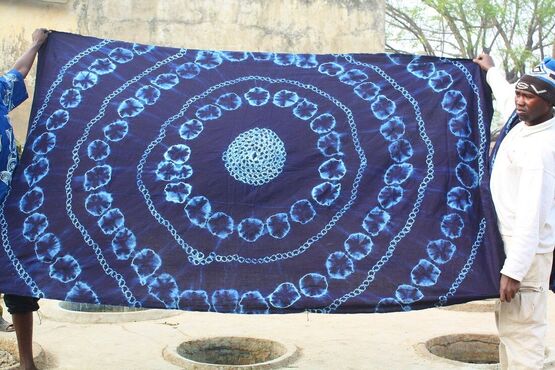
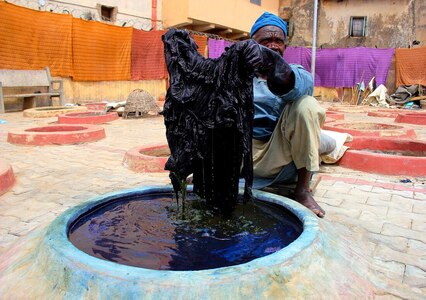
Since 1498, the Kofar Mata Dye Pits in Kano, Nigeria has produced high-quality indigo fabrics.
 
Indigo is a blue dye made from the indigo plant. The craftsmen in Kano use it to color cloth. Along with indigo, ash from firewood and potash (potassium) are used to create the dye.
 
Fabrics are carefully folded and tied. This process creates lovely designs. The cloth is dyed, untied, and allowed to dry. It is then pressed by beating it with wood. This gives the material an attractive, shiny appearance. Afterward, the fabric is often embroidered. There are patterns reserved for royalty and other designs that anyone may wear.
Historically, textile dying was popular in Kano and Zaria. However, the Kofar Mata pits in Kano are the only ones still in use. The craftsmen have used the same process for over five hundred (500) years.
 
Americans were influenced by Asiatic tied and dyed designs during the 1960s when “tie-dyed” clothing became a trend. Some of the patterns used in America were similar to those found in Kano. However, the quality of American products was inferior. Americans used a wild combination of colors that appealed to a low-class of people called hippies. Today, Americans use artificial indigo dye to color blue jeans. This cheap, unnatural dye is poison, unlike our natural indigo.
Picture
Picture
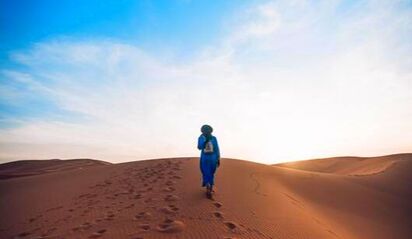
The Tuareg people (remember them from your studies on the Republic of Mali?) love indigo garments.  The Tuaregs are sometimes called “The Blue Men of the Desert" because they prefer their fabric to be left unfinished. Usually, the color of this fabric is set by soaking it in a solution of salt and vinegar. However, the Tuareg prefer to skip this step to allow the blue dye to stain their faces and hands. Natural Indigo is beneficial for the skin and helps keep insects away. Do you like these indigo garments?
Critical Thinking:

The future of African textile industries is being threatened by cheaper, low quality fabrics from Asia and Europe. Is it wise to pay more for higher quality and to support talented craftsman?


Animism/Spookism

Picture
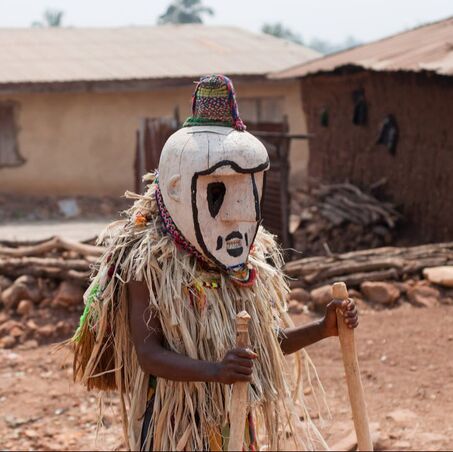
Animist masquerade ceremony
Picture
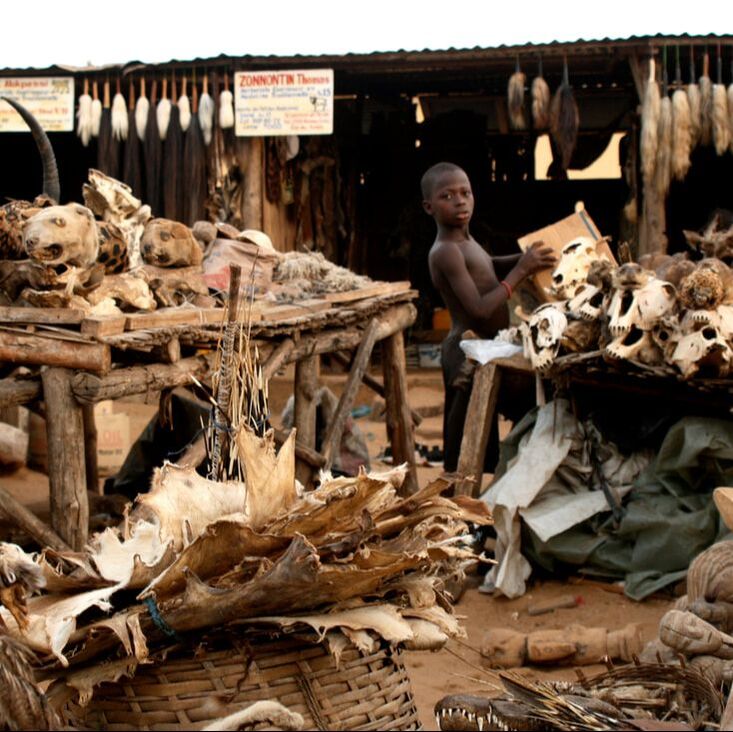
Animist Fetish Market selling objects used for rituals.
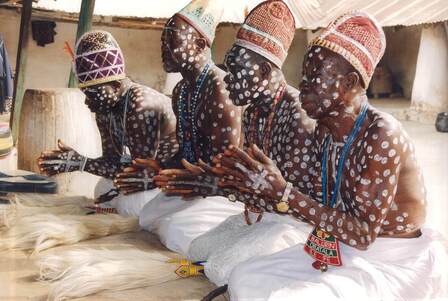
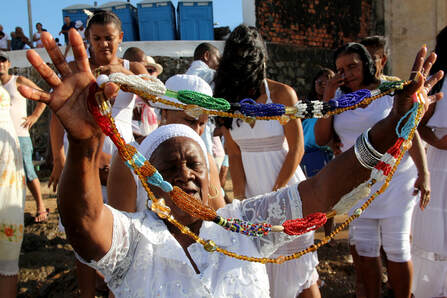
Cultural contributions are not always positive.  Animist religions, such as Ifa (Yoruba) and Vodun were brought to the Americas during the Trans-Atlantic slave trade. These traditional faiths teach that God is a spirit, ancestors can help living people, ancestors are reincarnated through family members, and religious leaders can predict our destiny. The Messenger teaches us in the article Wash and Be Clean, "We must even teach Africa, and all other Black peoples, wherever they are on the earth, to have higher morals and more self-respect. We must get to them. WE MUST resurrect the Black people all over the planet earth, into the knowledge of this great important truth, and belief in The True God Allah Who is physical and not a spirit." 

Islam dignifies. It demands modesty and obedience to the laws of righteousness. Animism attracts many so-called Negroes because it does not force one to submit to absolute restrictions. In their folklore, deities behave indecently. These myths insult Allah (the true God) and make sin seem normal. In America, some "spiritual leaders" of these religions truly believe in spookism. Many others are insincere and use divination to scam followers out of money and use their authority to dishonor misguided women.

Accepting Islam requires us to be responsible for our own actions. We make decisions based on facts and intelligence, not superstitions and spirits. Muslims understand that our role is to master, protect, and purify our environment. We accomplish this by studying science. Muslims respect the forces of nature, but we do not include Allah's creations in our worship. Allah, Master Fard Muhammad, to Whom all Holy Praise is due Forever, is solely entitled to our worship.

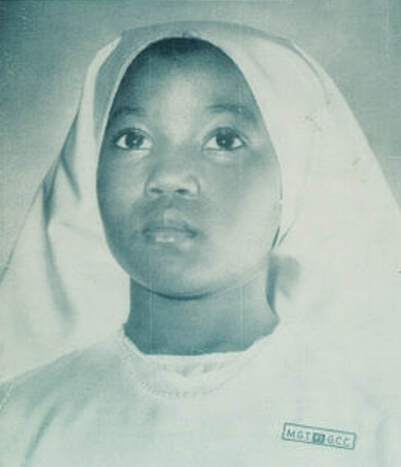
Allah prescribed a unique Islamic culture for us. It is superior to all others. Animism is completely haram (prohibited) in Islam. We avoid the mere appearance of it. Muslims love our animist brothers and sisters, but we do not follow them in ignorance. We teach them the Truth. The Messenger warns us in the Warning to The M.G.T. and G.C. Class, "This is a warning to the M.G.T. & G.C.C. against adopting the African dress and hair styles (this applies to the Brothers of the F.O.I. also) and seeking to intermarry with foreign people whether they are Muslims or not; and against accepting traditional African tribal styles and garments with gay colors. Such Sisters will be dismissed, from now on, from the circle of Islam, wherein I am the shepherd. No style of dress is to be worn but the style of real Muslim people and the one that I am offering to you. The head piece of traditional and tribal African people who are other than Believers of Islam is also forbidden for you to accept."
Picture
Animist priests
Picture
Ceremony held in Brazil for the false Yoruba idol Yemanja.

Geography

Picture
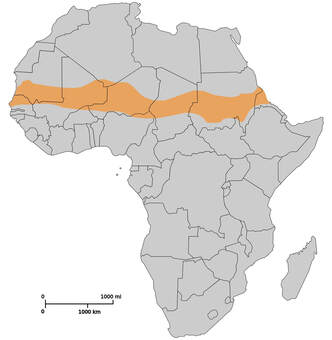
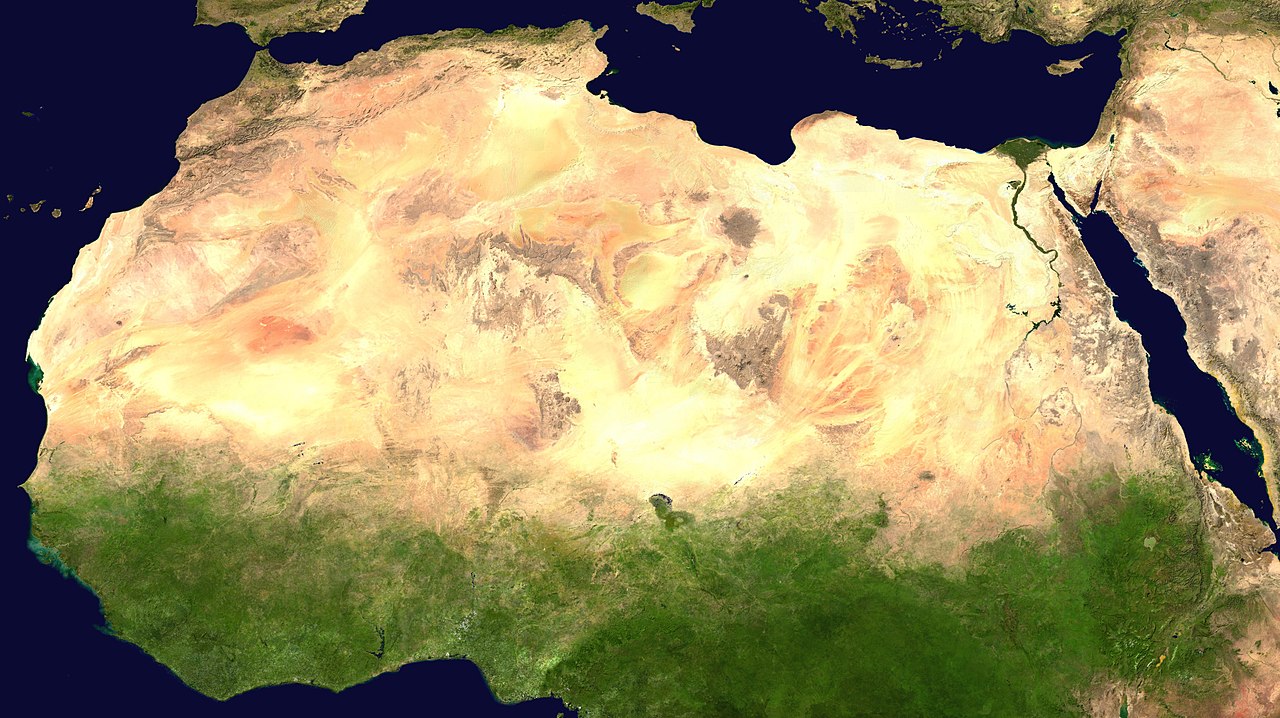
The Sahel
Picture
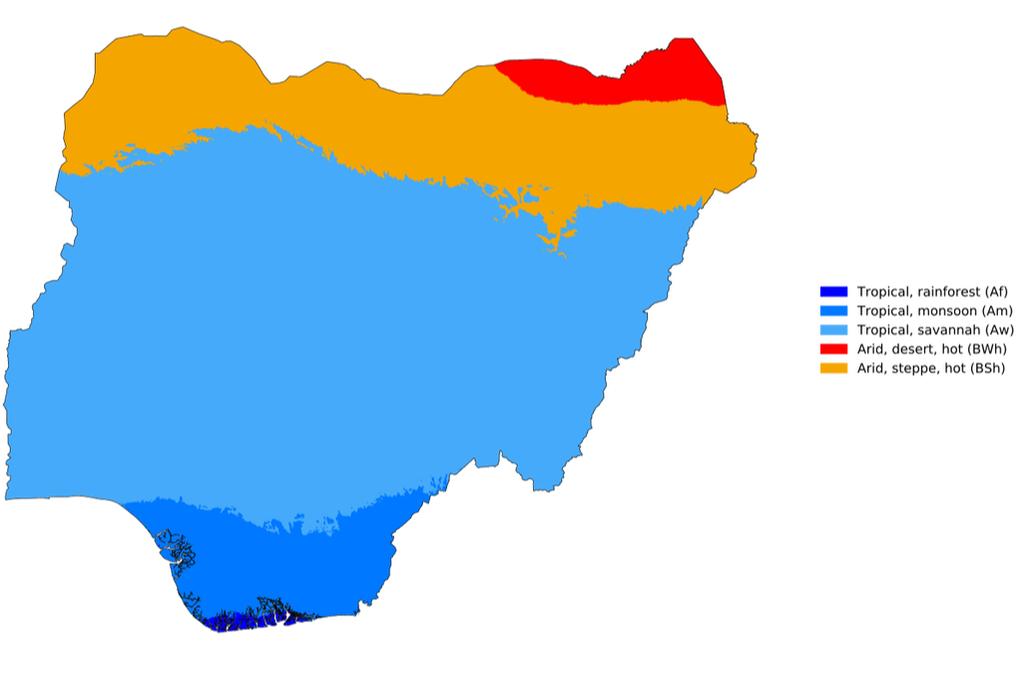
Climate zones in Mali
The Federal Republic of Nigeria is a West African country. The south of Nigeria is bordered by the Gulf of Guinea (in the Atlantic Ocean). It also shares borders with the nations of Benin, Niger, Chad, and Cameroon.
 
Some people call Nigeria the "Powerhouse of Africa" or the "Giant of Africa." It earned these titles because of its vast land, abundant natural resources, booming economy, and rank as the most populous country in Africa. Nigeria's natural resources include oil, natural gas, limestone, coal, iron, lead, gemstones, gold, and much more. The country's most valuable resource is its innovative people.
 
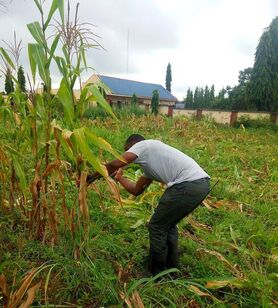
Nigeria is a diverse country in terms of landscape, history, and culture. Nigerian people earn a living through agriculture, industry, entrepreneurship, and many other channels. Much of Nigeria's land is fertile and suitable for farming. Nigeria's crops include cotton, beans, rice, millet, sorghum, yams, nuts, cassava, cocoa beans, gum arabic, corn, melon, palm oil, plantains, bananas, and rubber.
Picture
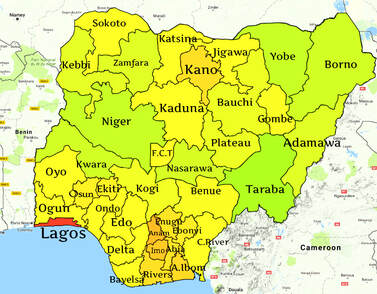
Federal Republic of Nigeria
Picture
Image of Northern Africa
The north of Nigeria is part of the Sahel. The landscape consists of flat, dry savannas with short grasses and fewer trees than in other areas. This land is appropriate for raising animals and crops that don't require too much water.
 
Central Nigeria, also called the "Middlebelt," is a transitional area that divides the north and south. There are many ethnic groups in this area. Beginning in the north and continuing through central Nigeria, is a semi-savannah zone. It enjoys more rain than the dry savanna lands. There are taller grasses, more trees, and more fertile land.
 
Most of Southern Nigeria is a forest zone.  Heavy rains produce thick forests and tall grasses. The coastal areas  have dense forests, large grasses, and swamps.
 
The Niger River (remember it from your studies on the Republic of Mali?) flows from northwestern to southern Nigeria. The Benue River flows through eastern Nigeria and merges with the Niger River near the center of the country. The Niger then flows to the Gulf of Guinea and the Atlantic Ocean.

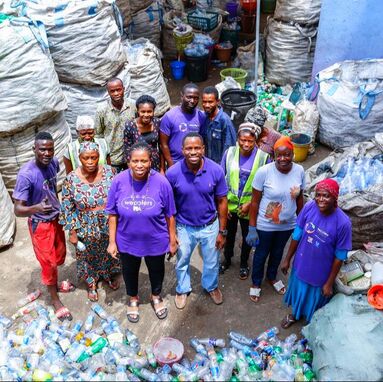
STEM Solutions: Wecyclers Recycling

Picture
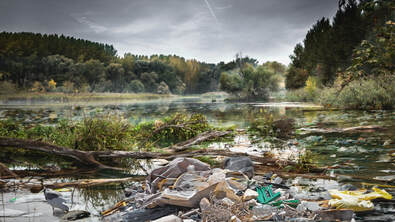
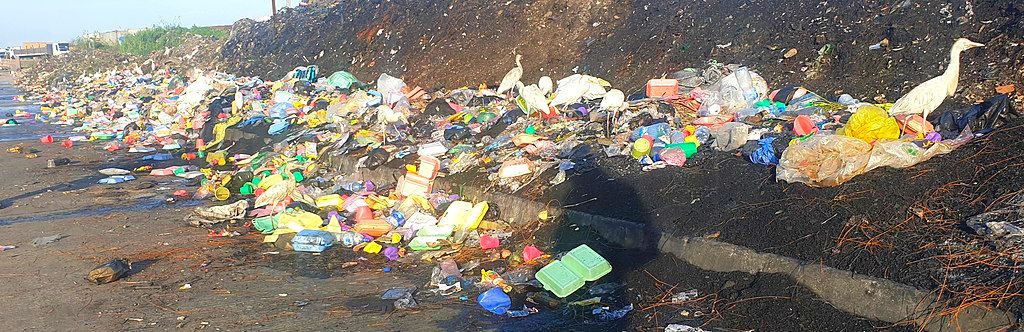
Nigeria is the most populous country in Africa. When a nation has a lot of people, those people create a lot of trash! The city of Lagos has nearly fifteen million (15,000,000) people by itself! That is almost TWICE as many people as New York City and more than THREE (3) times the number of people in Los Angeles. We usually do not think about what happens to trash once we dispose of it. That is only because the United States of America has a well-developed infrastructure. It is more challenging for developing countries to keep up with the trash and sanitation demands of their fast-growing populations.
Bilikiss Adebiyi-Abiola was disturbed by the filthiness of some areas of Lagos, Nigeria, and decided to do something about it. As part of a project for a university class, she imagined a business plan that could improve living conditions in Nigeria. Every solution starts with an idea.
 
Recycling is a relatively new concept in Africa. The Original people of the earth make products from natural materials like clay and glass. We skillfully craft reusable goods instead of wasteful items that are disposed of as trash. Many people do not know what to do with so much waste from disposable products, so they dump it. The lack of organization and infrastructure in poor neighborhoods, such as narrow streets or roads blocked by cars, makes trash pickup difficult. For many people, the cost to have their garbage collected is too expensive anyway. The trash piles up along the streets and makes neighborhoods foul. Decent people do not want to live in filth, but they may feel helpless to do anything about it. Due to the lack of waste management, recycling plants do not get enough garbage to meet the demand for recycled materials. Every problem needs a leader who is willing to take on the responsibility of solving it. The best businesses fix problems and fill needs.
 
Sister Bilikiss understood that money motivates people to change their behavior. In 2012, she developed her school project into a real business named Wecyclers. Her business pays people to recycle their trash. Recycling is made easy by the employees that go into neighborhoods and collect recyclable waste on special bikes called “wecycles.” This service is similar to garbage pickup in the United States, except bikes are inexpensive and can travel down streets more easily than massive trucks.
 
Recycling programs have a "snowball effect." Convenience and rewards encourage families to recycle the trash from their homes and collect litter from the roads. Then, the "Wecyclers" workers benefit by earning an income to care for their families. Because of the increased amount of recyclable material, recycling plants can do more work and employ more people. In the end, the people of Nigeria win because the recycling process increases their economy while improving their environment.

Critical Thinking:

Picture
  • List some practical ways to improve this project.
  • What are the responsibilities of the national and local governments to ensure success?
  • What is the responsibility of citizens to ensure success? What can they do to help themselves?
  • How can the ideals of Islam help make this a success?
  • How can basic STEM education help make this a success?
  • How can we become less dependent on plastic?
  • What biodegradable materials can replace plastic?
  • What material did our Messenger suggest for food storage? (See How to Eat to Live Book 1 - Foods to Avoid)
  • How can governments discourage people from using plastic?
  • How can we discourage people from littering?

Noble Nigeria

Picture
Picture
Picture
Picture
Picture
Picture

Divine Guidance From Our Messenger

Picture
Message To The Black Man
To Help Fight Against Poverty and Want!
“...There are thousands of our people living in worse conditions than dogs and pigs. At least dogs are not bothered with too many rats and roaches in their houses because they kill them to keep out the uncleanliness and filth which dominate and create bad housing conditions.

We hope to set up a committee to teach and force our people to be clean: The Committee of Cleanliness. We already have such a committee in effect among the Muslims. It compels our people to clean their bodies as well as their houses. If you have only one suit of clothing, you should wash it and press it each night so that you can wear it the next day. If you are not able to have your hair trimmed at the barbershop, you should take turns and trim each other's hair. You must shave yourselves and look like men.

And our women should clean up. You do not have to have a dozen dresses. Just keep the one you have clean and pressed. Until we enforce cleanliness among the people of our Nation and get them into the spirit of self-respect and the spirit of making themselves the equal of other civilized nations of the earth we will never be recognized as being fit members of any decent society of those nations.”

Qualify Yourself! Career Options for Muslim Children to Consider

Picture
"Make your own neighborhood a decent place to live. "

- The Hon. Elijah Muhammad
Message to the Blackman In America (pg. 171)

A Program for Self-Development

The Recycling Industry

Cleanliness is Godliness. It is easy to consume goods, but we must consider how we will dispose of every product we use. Proper elimination of waste is vital to any civilized society. Improper sanitation lowers our quality of life. Can you imagine being surrounded by trash every day? It looks awful, stinks, and affects your peace. Litter can clog drains, which may flood streets. Severely flooded roads damage homes and cars and can even cause death. Garbage is a fire hazard.  Even worse, accumulated trash helps spread many serious diseases. Our garbage can be dangerous if we do not manage it effectively.
 
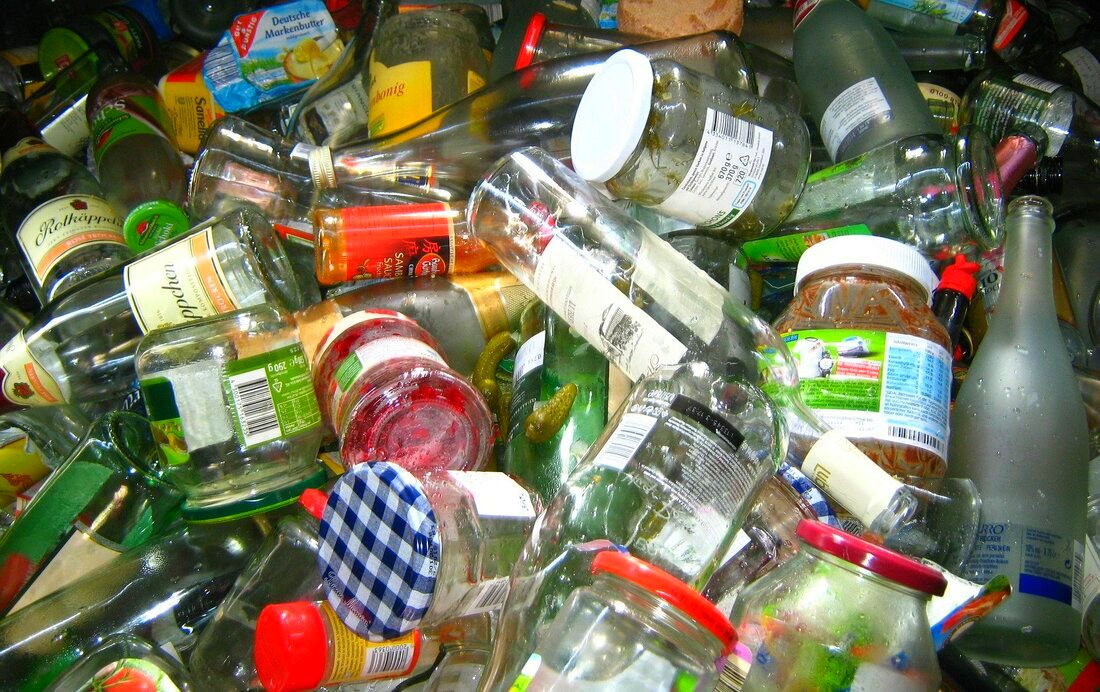
While all mishandled waste poses a problem, plastic is the worst. Plastic bags and bottles from foreign products pollute many countries throughout Africa and Asia. Plastic is cheap and disposable. It is an unnatural material made by an unnatural people; it does not decompose. Because it is hard to get rid of it, plastic leads to waste buildup that can quickly become out-of-control. Some progressive countries, like Rwanda and Thailand, have banned plastic bags. It is better to shop with reusable fabric bags. The best solution for plastic bottles is to eliminate them by using glass. The next best thing is to reduce the number of plastic bottles we use and then recycle them.
 
Recycling may not seem glamorous, but there is a lot of money to be made in this industry! Everyone wants to enjoy a clean environment, yet few people want to do the work of cleaning. This laziness creates a constant need for waste management. The Nation of Islam stresses the importance of making our neighborhoods beautiful and avoiding wastefulness, but what if you don't like getting too dirty or prefer a "white collar" profession? Are there careers in the waste management and recycling fields that do not require one to handle trash directly? The answer is "yes." Our Nation needs all types of professions relating to trash collection and the efficient recycling of goods into new products.
Picture
Street cleaning/litter removal
Picture
Trash collection
Picture
Recycling

Career Options include (but aren't limited to):

Public Service Director
Outreach Coordinator
Educator
Plant Manager
Laboratory Technician
Electrician
Machine Operator
Metal Smelter
Public Relations Specialist
Marketer
Software Developer
Sales Representative
Pricing Analyst
Product Development
Public Health Consultant
Civic Engineer
Chemical Engineer
Chemist
Biochemist
Research Scientist
Waste Auditor
Account Coordinator
Recycling Coordinator
Sorter
Route Manager
Truck Driver
Operations Manager
Vehicle Mechanic
Equipment Mechanic
Inspector
Sustainability Coordinator
Material Recovery Manager
Safety Facilitator

Creative Ways to Recycle

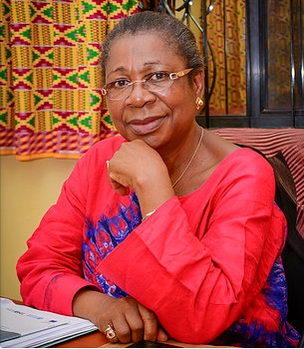
People You Should Know: Dr. Uche Veronica Amazigo

Picture
Education: Diploma: Tropical Medicine, Parasitology Ph.D.: Biology, Medical Parasitology Fellow: Nigerian Academy of Science, Harvard, Parasitology & Public Health Society of Nigeria
"THE BLACK MAN of America must be QUALIFIED with the most modern advanced sciences in education of the nations in order to compete with them and enable the Black Man to go for self."
- Hon. Elijah Muhammad
Qualification is a Must

Dr. Uche Veronica Amazigo is a biologist who specializes in the study of tropical diseases. Sister Amazigo was a senior lecturer at the University of Nigeria. She began meeting people in nearby rural areas who suffered from an infection called river blindness. She was determined to find a solution to improve her people's health.
 
Sister Amazigo researched common infectious diseases like river blindness and malaria to try to find an effective treatment. The cause of river blindness is a parasite found in certain flies. This infection often leads to a painful skin condition and blindness. Similarly, a parasite found in certain mosquitos causes malaria. It is a dangerous disease that can lead to death. Both flies and mosquitos thrive near water. In rural areas, many people must retrieve their own water from the flowing rivers (flies) or calm ponds and lakes (mosquitos) where these insects thrive.
 
Uche Amazigo developed a program to train community workers to treat river blindness and record the results. This project led to the founding of the African Programme for Onchocerciasis (river blindness) Control. They began successfully treating both malaria and river blindness with medicine. Because of her work, over one hundred million (100,000,000) have received treatment for river blindness, and many millions more have received treatment for malaria and other illnesses.
 
Uche Veronica Amazigo founded the Pan-African Community Initiative on Education and Health in 2013. She has made an enormous impact on the health of people in Africa.
Picture
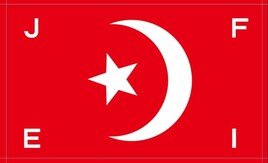
The Flag of Islam

Our Nation's History: Temple #2 Chicago, Illinois

Picture
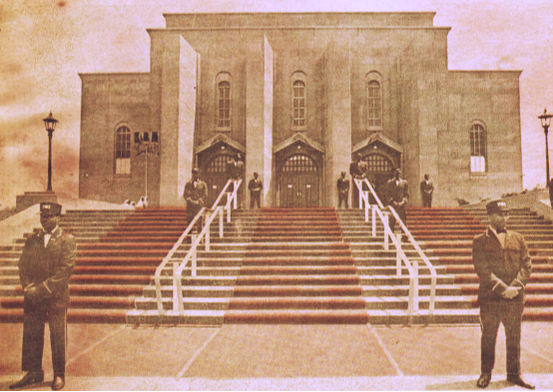
The Nation of Islam's local temples were like puzzle pieces that joined together to create success.  Our second temple was located in the city of Chicago, Illinois. This became the Nation of Islam's official headquarters.
 
By 1974, Chicago had a multi-million-dollar Muhammad's Temple of Islam, a University of Islam, the Messenger's residence, the Muhammad Speaks Building, The Salaam Restaurant, Shabazz Restaurants, Shabazz Bakery & Coffee Shop, Your Supermarket, National Clothing Factory, National Fez Factory, Temple #2 Clothing Store, Capitol Cleaners, Guarantee Bank, Muslim Import Store, several homes and apartments for the Believers, and more.

Accomplishments of the Muslims

Picture
Picture

Universities of Islam

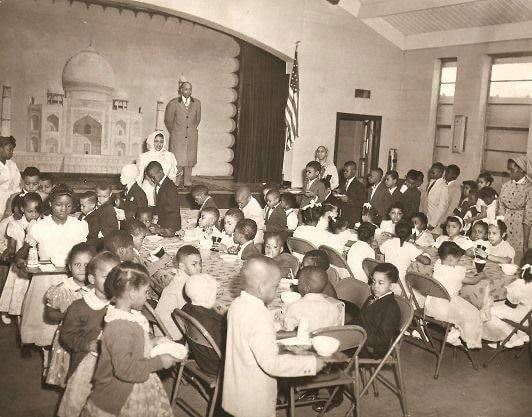
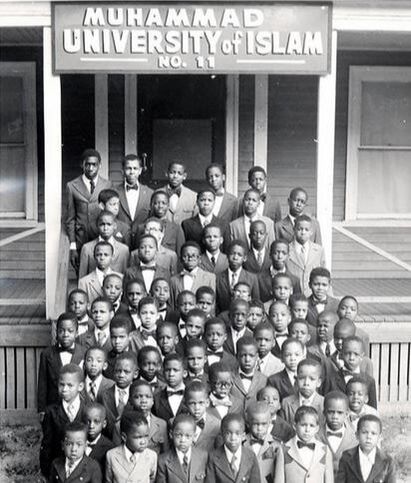
The University of Islam was a nationwide school system run by the Nation of Islam. Muslims do not send their children to public school, so each temple provided education for their own children. Because we love our people, we welcomed non-Muslim children to attend the Universities of Islam. Muslims from as far as Pakistan sought to have their children educated at our advanced schools.

Universities taught small children while offering adult education courses as well. Muhammad's Temple #4, in Washington D.C., and others, worked hard and created colleges. The girls and boys attended school separately for half a day each. The children did not endure long school days because we did not waste time with useless subjects. Instead, the curriculum included knowledge of self, math, sciences, history, and languages such as Arabic.

The Muslim Program specifies that Muslim girls attend school until at least eighteen (18) years old. Boys receive education until at least age sixteen (16). With that said said, many of our children were intelligent enough to graduate from high school early. In later years, the University of Islam established a comprehensive educational program that would allow children to graduate in nine (9) years or less instead of the twelve (12) years required in American schools.

All Praise is due for the Honorable Elijah Muhammad!

Accept Your Own & Be Yourself: Cleanliness

Build Your Muslim Character: Cleanliness/Purification

Picture
“CLEANLINESS and clean language, is what you need to practice, right now. We must be clean internally and externally. WASH AND BE CLEAN.”
-Honorable Elijah Muhammad
Wash and Be Clean

Cleanliness is the foundation a Muslim's lifestyle. Unlike other religions, a Muslim must constantly be in a pure state. We wash ourselves before we pray, after we use the bathroom, and before we eat. In addition, we are required to take at least one total bath every day. A Muslim must wear clean, pressed clothing. We keep our homes spotless. There is no room for filth in the life of a Muslim. For us, Cleanliness is Godliness.

  • Wudu (ablution) creates a habit of cleanliness.
  • Purification protects us from illness and disease.
  • Washing externally encourages us to purify internally as well.
  • Cleanliness improves one's appearance.
  • Keeping our selves and our possessions clean shows gratitude for Allah (God's) blessings to us.
  • Purification is a way to respect ourselves.
  • Cleanliness allows us to enjoy one another. We can be comfortable in each other's home and eating each other's food.
  • Our cleanliness attracts others to Islam.
 
Cleanliness makes us better in many ways. It is how Islam dignifies us. Purification is essential to all true Muslims.

Knowledge Check

Picture
What is the duty of a civilized man?

Picture

Wisdom From The Holy Qur'an

Al-Ikhlas (The Unity) 112:01-04
 
Muhammad Ali:
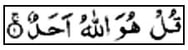
112:01 Say: He, Allah, is One.
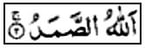
112:02 Allah is He on Whom all depend.
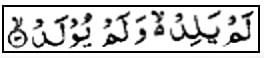
112:03 He begets not, nor is He begotten;
112:04 And none is like Him.

 
Yusef Ali:
112:01 Say: He is Allah, the One and Only;
112:02 Allah, the Eternal, Absolute;
112:03 He begetteth not, nor is He begotten;
112:04 And there is none like unto Him.

Picture
Picture
Picture
Picture
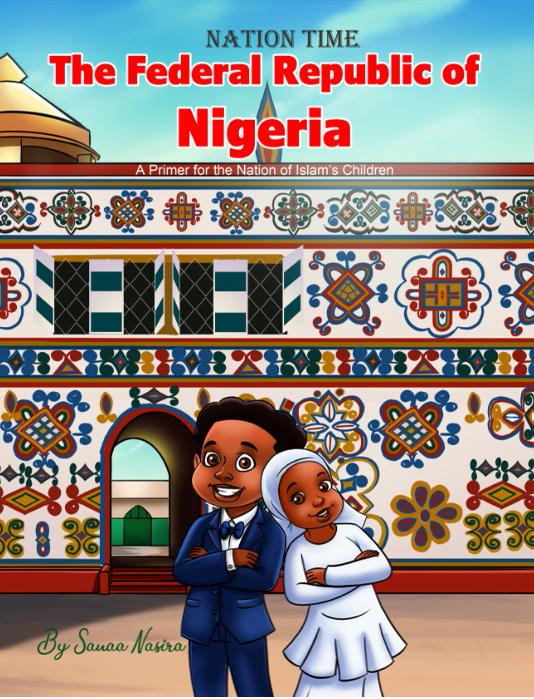
Nation Time - The Federal Republic of Nigeria:
A Primer for the Nation of Islam’s Children

Picture
As-salaam alaikum!
Did your child enjoy this free lesson? Expand your child's learning and support this site with this companion primer/workbook.
Your purchase helps us finance future projects and keep this site FREE.
Purchase

Photo Credits:

Ukabia
Sanusii1133
Essien Allan
DipoTayo
Anasskoko
Oramfe
Berg, A.
Wood, E. F.
NordNordWest
Dominik Schwarz
Khiram

Andy Waite
Andy Musa Chantu
Pappyt101
Sani Ahmad Usman
Usman Abubakar Isah
Beck, H.E.
Zimmermann, N. E.
McVicar, T. R.
Daehan
Dierk Lange
Oloyedejuwonlo
Bashir Shatima Mustapha
Fowosire jnr
Johnolajide
Jamie Tubers

ArnoldPlaton
Vergopolan, N.
Arch-Angel Raphael the Artist
Steve Evans
King Baudouin Foundation (KBF)
Ekhator Efosa

Home

Lessons

Free Resources

Bookcase

NOIWC Archives

Copyright © 2021 Shabazz Tribe Books ~ NOIWC