Cattle!
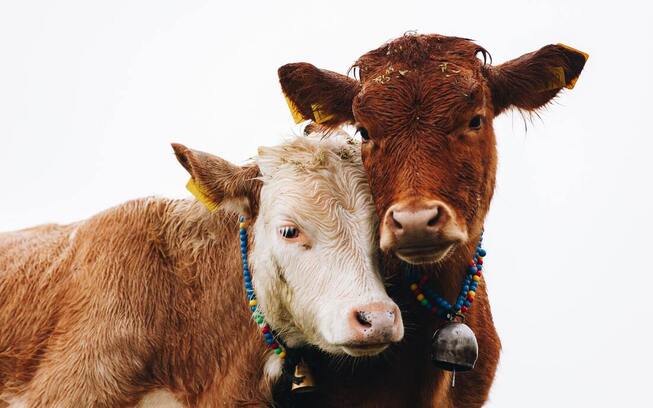
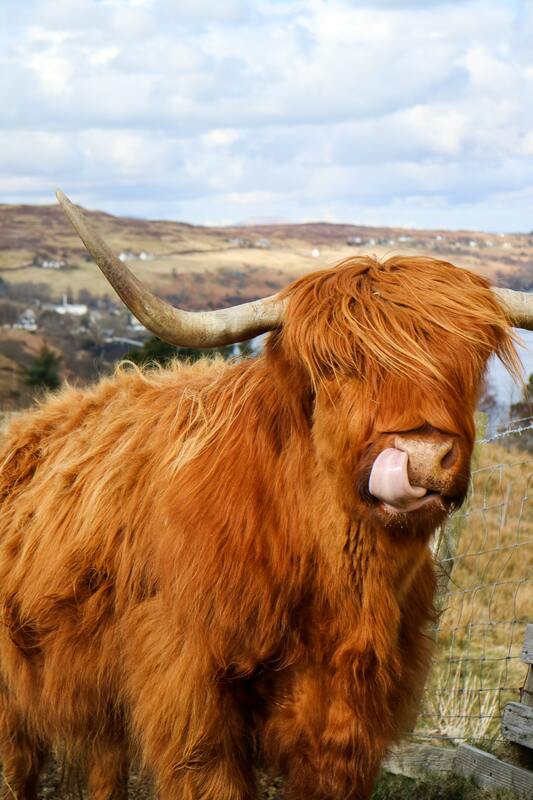
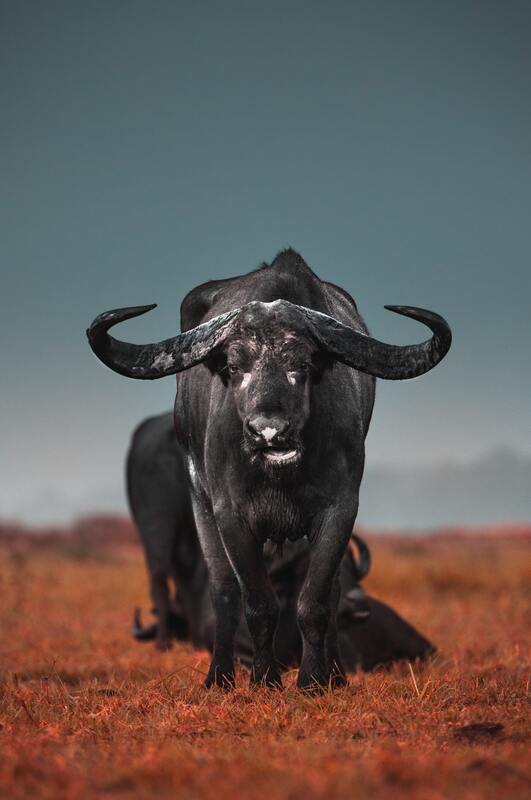
If you've ever enjoyed a glass of milk, an ice cream cone, a cheeseburger, or leather shoes, you should thank Allah for cattle! Cattle is a word used to describe mammals such as cows, buffalo, bison, musk oxen, and yaks. This lesson will focus mostly on cows.
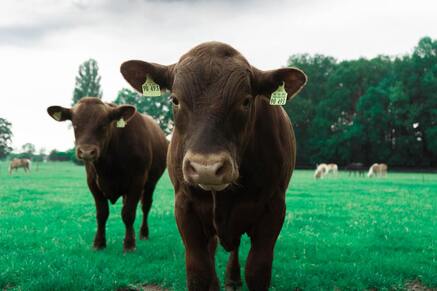
Cattle usually live in herds (groups). Cows are huge animals, so they like to have a lot of space to move around. They can be found on farms, ranches, roaming with their herders, and sometimes in the wild. Because cattle grow so big, they eat a lot of grass and drink a lot of water. This means they produce a lot of waste. This waste makes great fertilizer, which makes crops grow and produce a lot of food.
The stomachs of cows are separated into four (4) parts, called chambers. These chambers help cattle digest rough plants and grasses. Cattle swallow their food, then bring it back up to chew it and swallow it again. They do this until the food becomes easy to digest. Humans have one simple stomach which must digest everything we eat, so we must be gentle with it. The Honorable Elijah Muhammad teaches us to avoid eating certain plants like most beans and leaves. He said they are bad for our health and he was right! We don't have the right type of stomach to digest them! We are blessed to have a Messenger with such wisdom.
Each bull (male) usually mates with a number of cows (females). Cows usually give birth to one calf (baby) per year, but sometimes they have twins! The calves learn to walk a few minutes after birth. They must be able to follow the herd right away. It can be dangerous to get left behind.
Cattle usually live in herds (groups). Cows are huge animals, so they like to have a lot of space to move around. They can be found on farms, ranches, roaming with their herders, and sometimes in the wild. Because cattle grow so big, they eat a lot of grass and drink a lot of water. This means they produce a lot of waste. This waste makes great fertilizer, which makes crops grow and produce a lot of food.
The stomachs of cows are separated into four (4) parts, called chambers. These chambers help cattle digest rough plants and grasses. Cattle swallow their food, then bring it back up to chew it and swallow it again. They do this until the food becomes easy to digest. Humans have one simple stomach which must digest everything we eat, so we must be gentle with it. The Honorable Elijah Muhammad teaches us to avoid eating certain plants like most beans and leaves. He said they are bad for our health and he was right! We don't have the right type of stomach to digest them! We are blessed to have a Messenger with such wisdom.
Each bull (male) usually mates with a number of cows (females). Cows usually give birth to one calf (baby) per year, but sometimes they have twins! The calves learn to walk a few minutes after birth. They must be able to follow the herd right away. It can be dangerous to get left behind.
|
|
Did you know?
- Animals raised on a farm or a ranch (such as cows or sheep) are called livestock.
- Cattle have split hoofs that look like two "toes". This is called being "cloven footed".
- Cud is the name for food that is brought up from the cattle's stomach to be chewed again.
- The Bible instructs that we may eat any animal that has a split hoof and chews cud.
- The Honorable Elijah Muhammad advises that we may eat beef but warns it is not good for our stomach.
- Cattle can be horned (have horns) or polled (hornless).
- You can tell a bulls age by the number of rings that have formed on their horns.
- Only bulls grow horns, but cows are special too. They have udders with teats that produce milk.
- Animals that have a stomach with four compartments are called ruminants.
- Cattle can have short or long hair.
- Cows and bulls are herbivores. This means they only eat plants!
- Meat from baby cows is called veal.
- A young cow that has not given birth to a calf is called a heifer.
- Some bulls and cows can sprint at speeds up to 20-25 miles per hour.
- Cattle's spots are like fingerprints. No two cows have the exact same spots.
- Cows can live around 20-25 years.
- Cows and bulls can see most colors except red.
- Cows and bulls can smell odors from five (5) miles away.
- The second chapter of the Holy Qur'an is called Surah Al-Baqarah. Al-Baqarah means "The Cow".
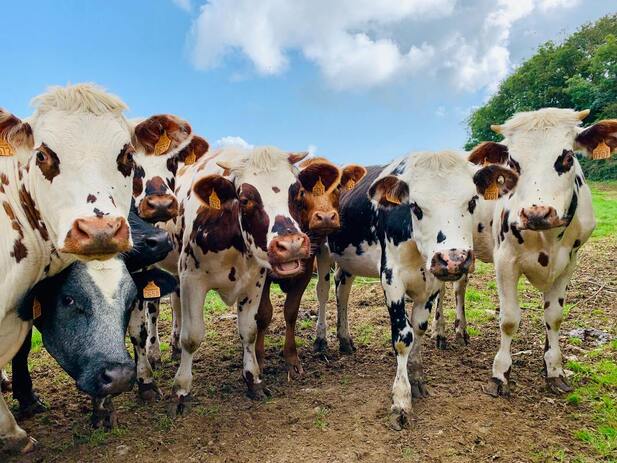
Cattle have been domesticated for many thousands of years. They are native to most parts of the world, although the species differ from place to place. Cows are important in many cultures, such as the Fulani, Masai, and Tutsi people in Africa. In Japan there is a fancy breed of cow called Wagyu that is popular for producing high-quality meat. Mongolians have been herders for ages, but climate change is making it hard to continue. Dzuds (summer droughts followed by very harsh winters in Mongolia) create a lack of grass for cows to eat. Some Hindus exceed the limit when it comes to cows. Unfortunately, foolish Hindus have been known to attack Muslims for eating beef because they think cows are "sacred".
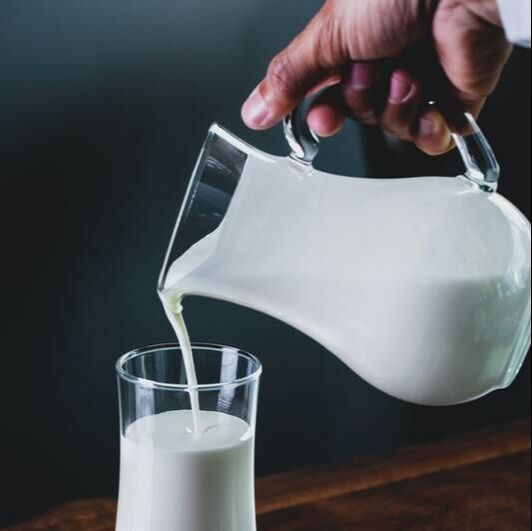
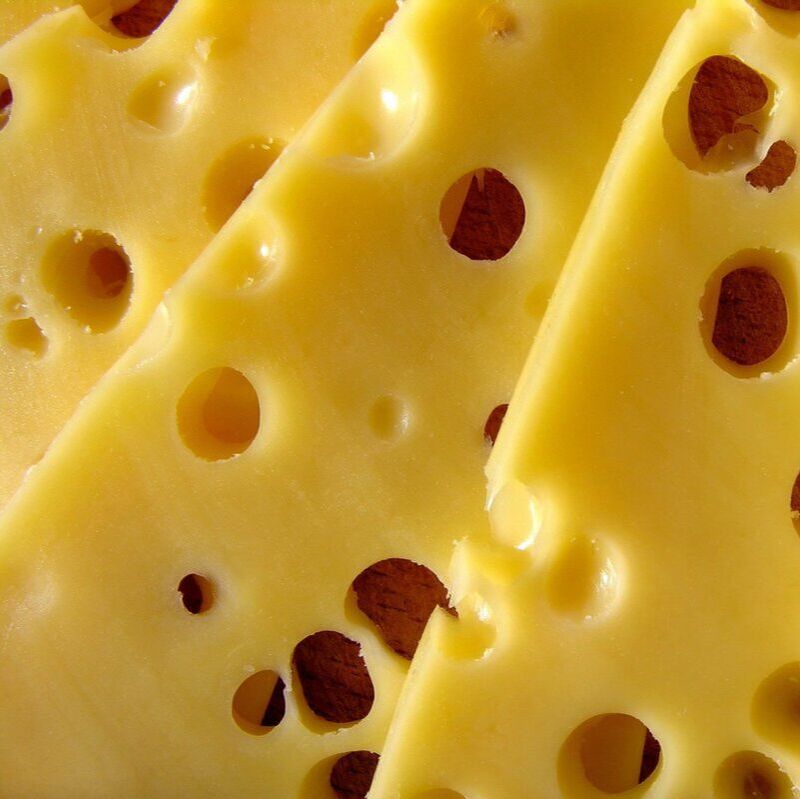
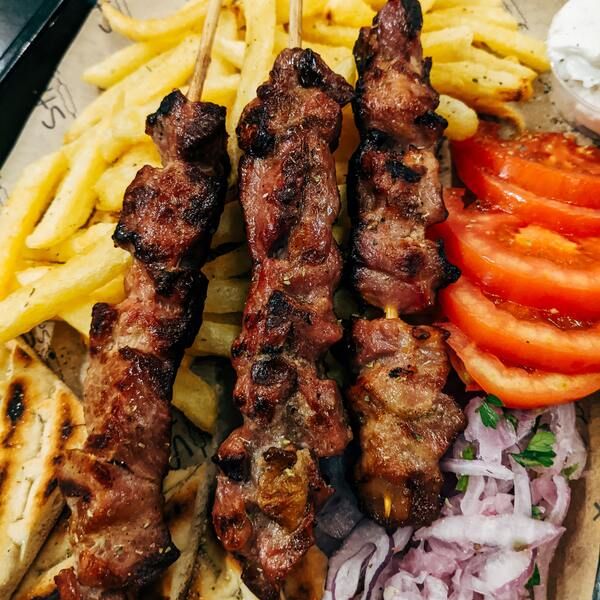
Cattle are used for milk, meat, leather, fertilizer, and transport. They are also used as currency (money). For instance, cows are often given as a dowry (gift) to a bride or her family. Cows and their milk can be traded for other goods. In many countries, people don't eat cow meat often because the milk is more valuable than the meat. You can only eat a cow once, but you can drink its milk for many, many years!
In places like Spain, Mexico, and the southwestern region of the United States, bulls are used for sport and play. You can find them being used in bullfights and rodeos. Some people believe that Spanish bullfights have a racist and anti-Islamic meaning. These cattle are not treated well. In Islam, we must treat our animals with kindness and respect.
Cattle are used for milk, meat, leather, fertilizer, and transport. They are also used as currency (money). For instance, cows are often given as a dowry (gift) to a bride or her family. Cows and their milk can be traded for other goods. In many countries, people don't eat cow meat often because the milk is more valuable than the meat. You can only eat a cow once, but you can drink its milk for many, many years!
In places like Spain, Mexico, and the southwestern region of the United States, bulls are used for sport and play. You can find them being used in bullfights and rodeos. Some people believe that Spanish bullfights have a racist and anti-Islamic meaning. These cattle are not treated well. In Islam, we must treat our animals with kindness and respect.
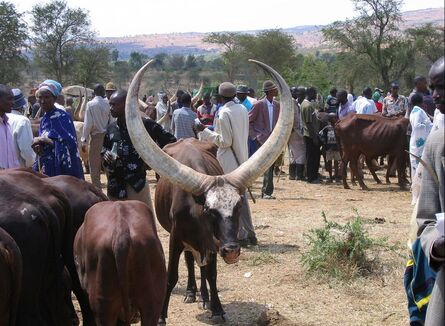
Tutsi cattle with large horns
|
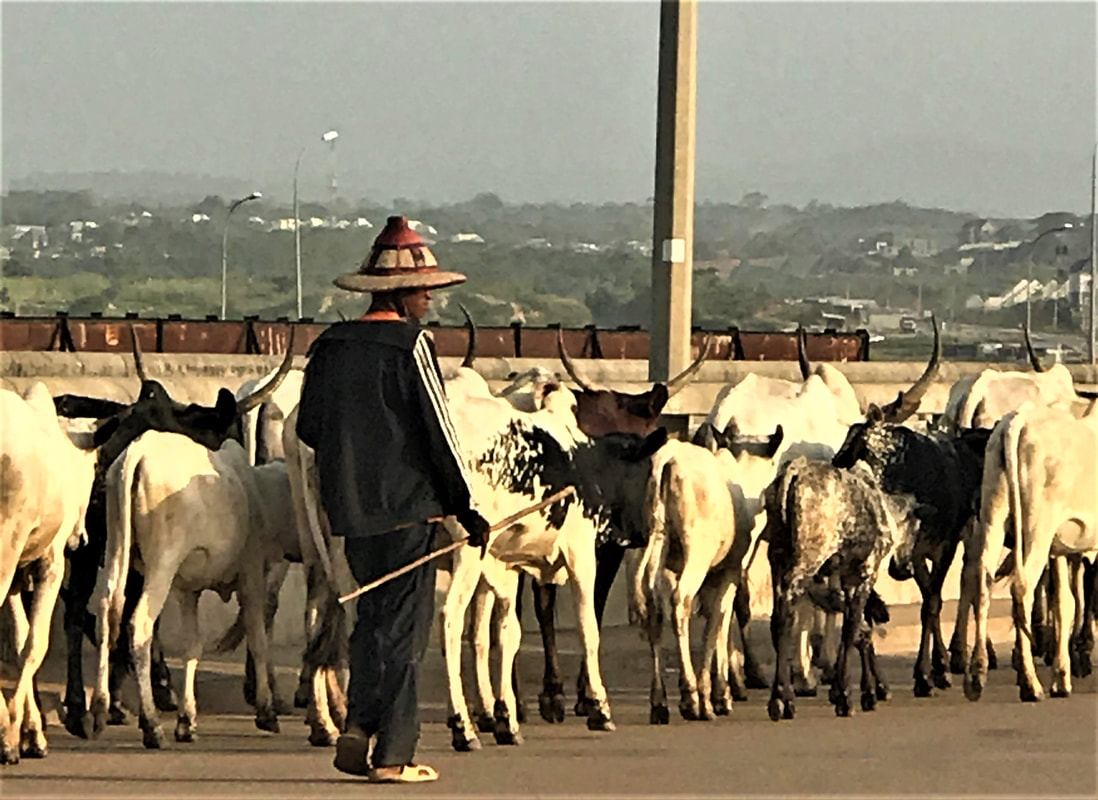
Fulani herdsman
|