Bees!
If you've ever enjoyed the taste of honey or the light from a candle, you should thank Allah for bees! Bees live throughout the earth, except on the icy continent of Antarctica. They can be found in wild hives or in a bee yard (a bee farm). There are around twenty thousand (20,000) varieties of bees! This lesson will focus mostly on honeybees.
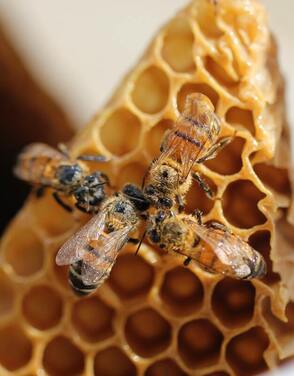
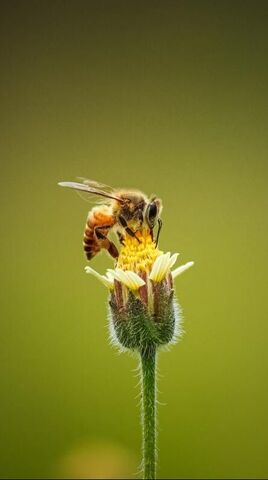
Many bees are solitary; they live alone. Others, like honeybees, unite in colonies (groups). These colonies live in homes called hives. Female honeybees, called worker bees, fly around to different flowers. These flowers contain a sweet liquid called nectar. The bees suck up nectar and keep it in their crop (honey stomach). Bees use this extra stomach to turn the nectar into honey. Then, the honey is brought back up from their crop and passed to other bees. The honey is taken to its proper place and stored in the hive. At this point, it is still very runny. The bees flap their wings to help dry the honey until it thickens.
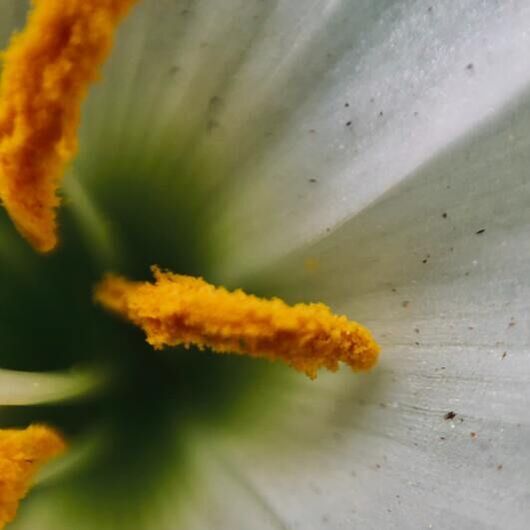
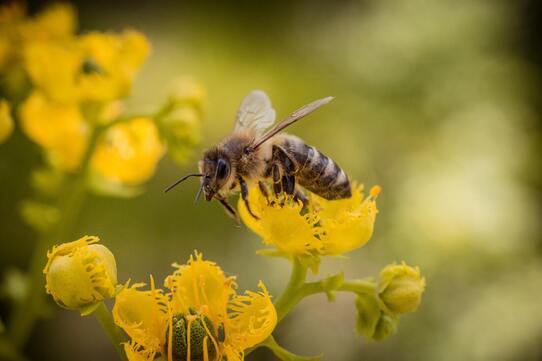
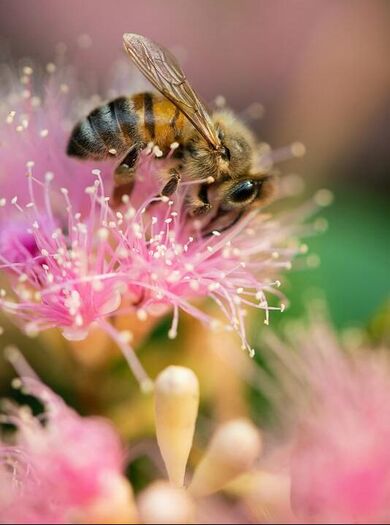
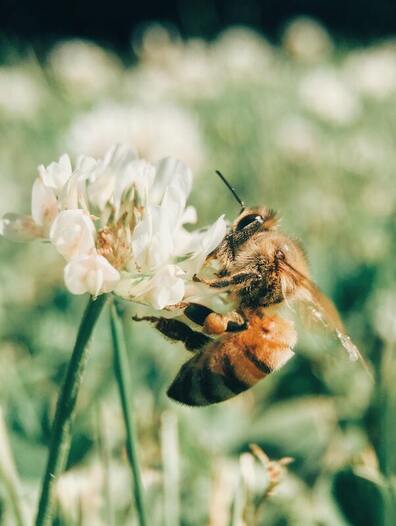
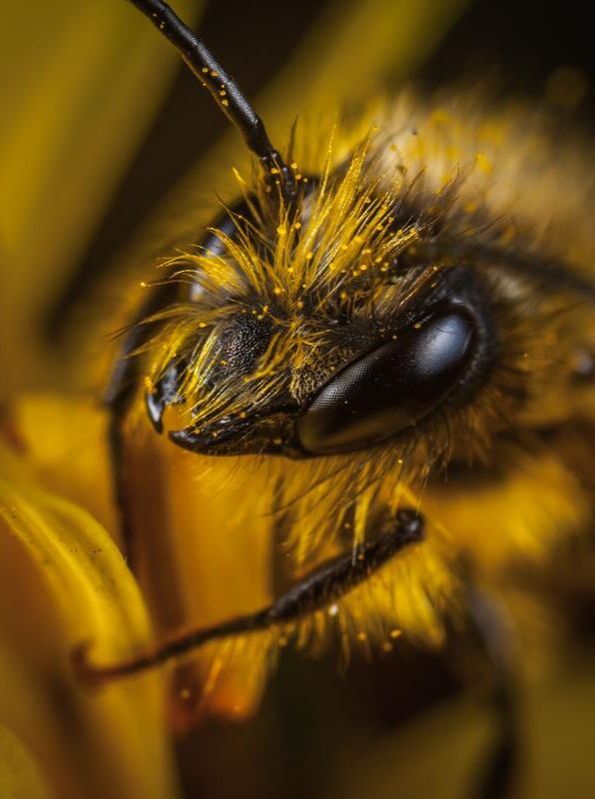
As the bees gather nectar, bits of pollen get stuck in their tiny hairs. Pollen is a fine yellow powder produced by flowers. Plants need pollen from each other to make seeds. The flowers can't go get it (smile). They need helpers to bring it to them. As bees travel from plant to plant, the pollen falls onto the flowers. This is called pollination. By pollinating plants, bees help them produce seeds. These seeds grow into many of our favorite foods. We'd be mighty hungry without the work of Allah's (God's) bees!
Male honeybees are called drones. Their job is to mate with the queen bee. A queen bee can lay 1,500 eggs every day. That's a lot of babies! The worker bees don't mate. They depend on the queen to reproduce enough bees for the colony.
Many bees are solitary; they live alone. Others, like honeybees, unite in colonies (groups). These colonies live in homes called hives. Female honeybees, called worker bees, fly around to different flowers. These flowers contain a sweet liquid called nectar. The bees suck up nectar and keep it in their crop (honey stomach). Bees use this extra stomach to turn the nectar into honey. Then, the honey is brought back up from their crop and passed to other bees. The honey is taken to its proper place and stored in the hive. At this point, it is still very runny. The bees flap their wings to help dry the honey until it thickens.
As the bees gather nectar, bits of pollen get stuck in their tiny hairs. Pollen is a fine yellow powder produced by flowers. Plants need pollen from each other to make seeds. The flowers can't go get it (smile). They need helpers to bring it to them. As bees travel from plant to plant, the pollen falls onto the flowers. This is called pollination. By pollinating plants, bees help them produce seeds. These seeds grow into many of our favorite foods. We'd be mighty hungry without the work of Allah's (God's) bees!
Male honeybees are called drones. Their job is to mate with the queen bee. A queen bee can lay 1,500 eggs every day. That's a lot of babies! The worker bees don't mate. They depend on the queen to reproduce enough bees for the colony.
|
|
|
Did you know?
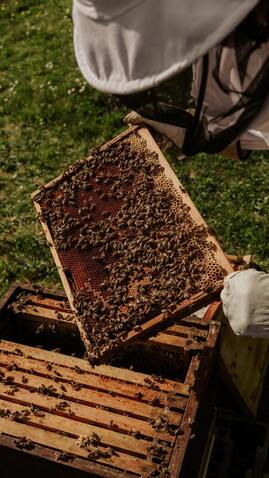
- People who raise bees are called beekeepers. Raising bees is called beekeeping or apiculture.
- An "Apiary" is the proper name of a place where bees are kept.
- The Honorable Elijah Muhammad advises that we may eat honey but warns that too much is not good for us.
- A queen bee decides the sex (male or female) of her children.
- Bees are herbivores. They eat food from plants like nectar and pollen.
- The queen bee eats special food called "royal jelly." Like honey, royal jelly is produced by honeybees.
- Honeybees have two (2) stomachs. The main stomach is for digestion. The honey stomach stores nectar.
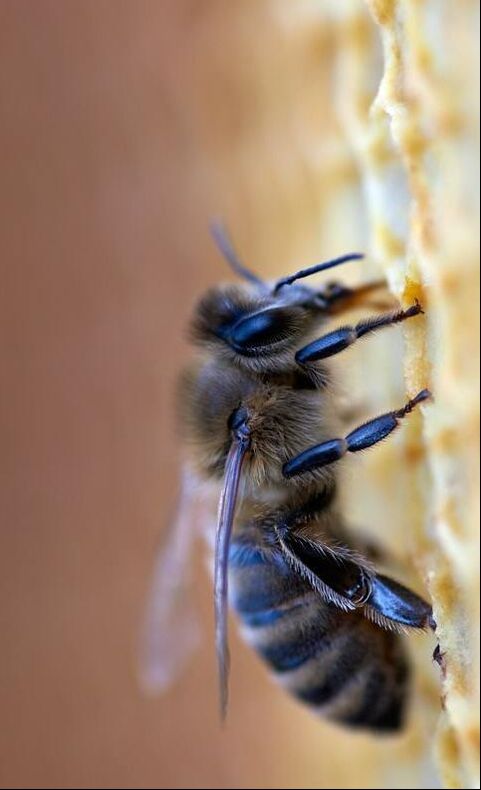
- Honeybees have five (5) eyes. Two (2) are BIG eyes and three (3) are tiny eyes.
- Colonies may have twenty thousand (20,000) to eighty thousand (80,000) bees. Each colony has only one (1) queen.
- Queen bees live approximately three to four (3-4) years. Workers and drones may only live a few weeks or months.
- Only female honeybees have stingers.
- Honeybee stings hurt us, but it hurts the honeybee much more. After a honeybee stings us, it usually dies.
- Bees talk to each other by wiggling their bodies and producing different smells.
- The sixteenth (16) chapter of the Holy Qur'an is called surah An-Nahl. An-Nahl means "The Bee."
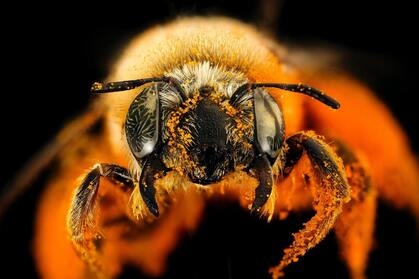
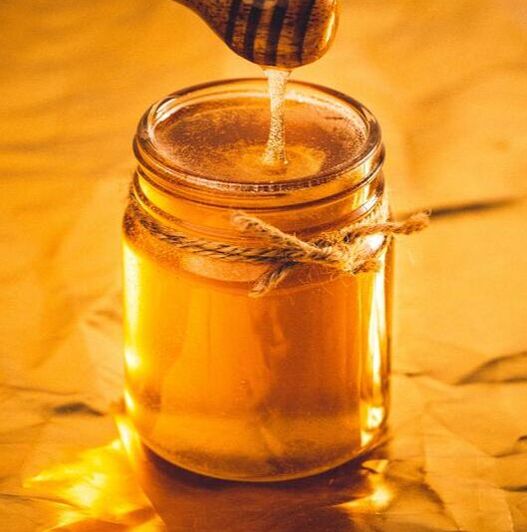
People around the world love honey. Some people keep bees in apiaries to harvest honey. Yet, other people climb high in trees just to take pieces of honeycomb from wild hives. Honey is not just a sweet treat. It is also a medicine. Best of all, honey doesn't spoil as long as it is stored properly. Bees work hard and produce many things that benefit us!
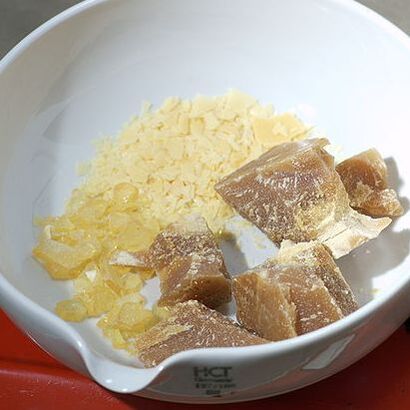
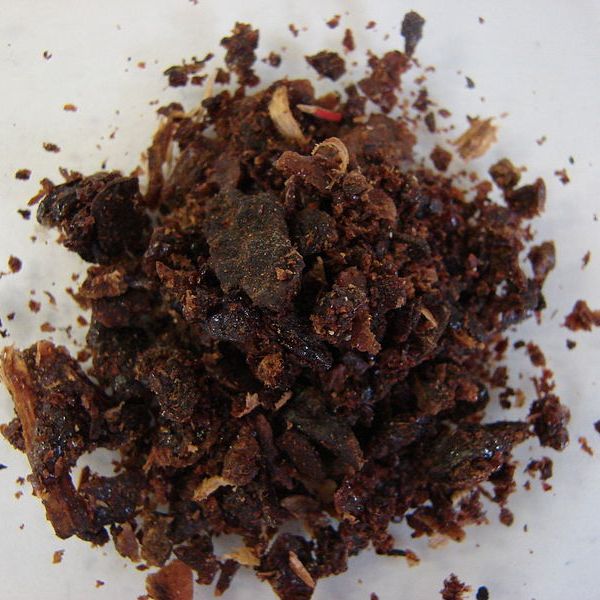
Royal jelly is the special food that queen bees eat. People use royal jelly to strengthen our bodies so we don't get sick. Bees collect propolis from tree buds. They use it to patch cracks and holes in their hives. We use propolis for healing many different sicknesses. Pollen and bee venom also have health benefits. Beeswax is used for making candles, crayons, coatings, and beauty products.
Royal jelly is the special food that queen bees eat. People use royal jelly to strengthen our bodies so we don't get sick. Bees collect propolis from tree buds. They use it to patch cracks and holes in their hives. We use propolis for healing many different sicknesses. Pollen and bee venom also have health benefits. Beeswax is used for making candles, crayons, coatings, and beauty products.
|
|
|